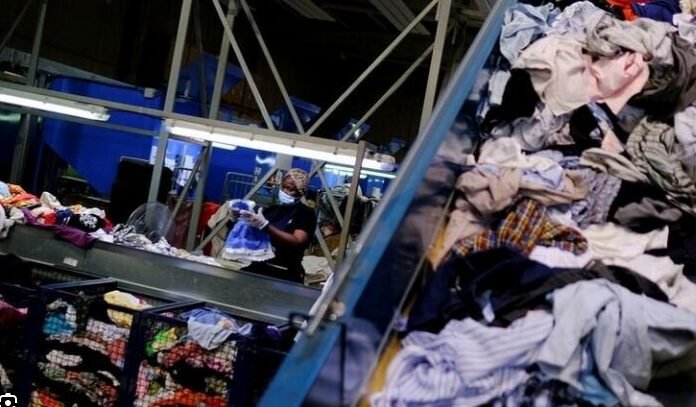
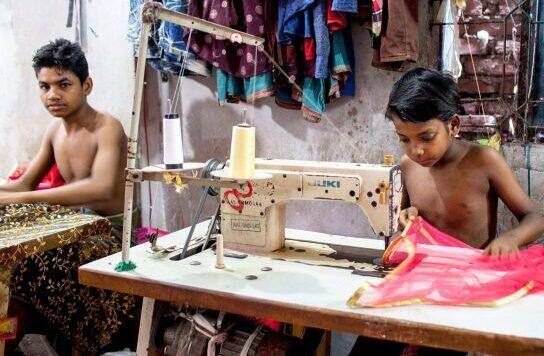
• Fast fashion is “fast” in many senses: changes in fashion are rapid, the pace of production is rapid, the customer’s decision to buy is quick, delivery is fast, and the garments are worn quickly – usually only a few times before being discarded.
DID YOU KNOW?
“Clothing sales doubled from 100 to 200 billion units per year, while the average number of times a garment is worn decreased by 36% overall.”
IN THEIR MARKETING STRATEGY
• Marketing focuses mainly on women of Generation Z — those born in the late 1990s. • Retailers are leveraging the power of social media alongside smart influencer strategies to bring their latest trends to the market. With user-generated content centered on product recommendations — from video reviews across TikTok and YouTube — they harness the power of trusted influencers’ suggestions to sell their products.
BUT WHY IS FAST FASHION BAD?
ENVIRONMENTAL IMPACTS
CARBON EMISSIONS
• The production of clothing is responsible for over 10% of global carbon emissions, ranking the emissions from apparel higher than those from air travel.
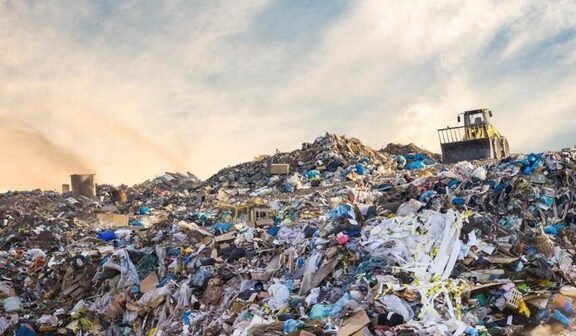
• Considering the entire life cycle of a garment — from manufacturing to transportation and ultimately its disposal in landfills — the fashion industry releases a total of 1.2 billion tons of carbon emissions every year.
“Carbon emissions [from fashion] are at the heart of global warming, meaning that every ton of CO2 released into the atmosphere makes our planet increasingly uninhabitable.”
ENVIRONMENTAL IMPACTS
WATER USE
“Fashion is one of the top industries with the highest water consumption—about 79 billion cubic meters each year. A single shirt requires up to 2,720 liters of water and about 3,781 liters for a pair of jeans.”